








Property CSS Value
height-mobile-lg

FY 2027 President’s Budget Request: ASPR Highlights

FY 2027 President’s Budget Request: ASPR Highlights

The Administration for Strategic Preparedness and Response’s (ASPR’s) FY 2027 President’s Budget request includes a total of $3.3 billion, which is a decrease of $355 million below the FY 2026 enacted level.

ASPR’s mission is to strengthen national security by assisting the country in preparing for, responding to, and recovering from public health emergencies and disasters. The funding requested in the President’s Fiscal Year 2027 Budget will support systems and programs that support state, local, territorial, and tribal (SLTT) resilience. Funds will also ensure the agency can continue to execute an efficient and adaptive federal response when called upon. ASPR will continue to invest in efforts that strengthen domestic manufacturing and secure the nation’s medical supply chains. Lastly, funds will support efforts in medical countermeasure research, development, procurement and stockpiling to ensure ASPR can continue to address existing and emerging threats to public health.

This budget includes increases directed toward efforts to continue to onshore manufacturing of key components of the medicines that we rely on every day. Ultimately, these efforts support national security and reduce dependence on foreign suppliers. The proposed budget recommends cuts to medical countermeasure programs, health care readiness efforts, and the National Disaster Medical System.

ASPR will use allocated funding to rigorously assess, prioritize, and deploy available resources, leveraging existing programs to strengthen SLTT resilience. We will ensure investments are used strategically to address high-priority threats and deliver meaningful results for the American people.

The key proposed changes are described below. For additional details, read the full 2027 ASPR Justification of Estimates for Appropriations Committee​.

On August 13, 2025, President Trump issued Executive Order 14336, Ensuring American Pharmaceutical Supply Chain Resilience by Filling the Strategic Active Pharmaceutical Ingredients Reserve. It directs ASPR to identify the most critical drugs for national health security, secure supplies of their key ingredients, and strengthen domestic medical manufacturing. The goal is clear: reduce dependence on foreign suppliers and accelerate the return of high-quality manufacturing jobs to the United States.

This funding allows ASPR’s Industrial Base Management and Supply Chain (ASPR/IBMSC) to onshore, reshore, and strengthen resilient, reliable U.S.-based pharmaceutical supply chains. It ensures essential medicines will be available when and where they are needed, in the required quantities and dosage forms.

IBMSC will use available funds to establish additional vendor managed inventory (VMI) capacities for the majority of prioritized active pharmaceutical ingredients (APIs). This activity includes the procurement, storage, management, conversion, and distribution of qualified APIs from FDA-inspected suppliers with Drug Master Files on record. The funding will also be used to demonstrate analytical chemistry capabilities for acceptance and retesting of APIs. In parallel, IBMSC will support efforts to store, rotate, and replenish APIs using current good manufacturing practices (cGMP).

This funding increase also supports related priorities, such as domestic manufacturing of antibiotics, intravenous (IV) solutions, and medical devices to improve production efficiency, scalability, and resilience of domestic supply chains. These resources can help make drug manufacturing faster, more flexible, and able to happen in multiple locations. They also support meeting quality and safety standards (cGMP) and strengthen the supply chain—for example, by reducing risks to U.S.-based production.

If enacted, President Trump’s budget would change funding availability from two-year to no-year funds, giving ASPR increased flexibility to modify contracts and reprioritize funding in the future.

The Program Management Office (PMO) is a newly proposed budget line that will fund federal salaries and benefits, as well as support central costs associated with ASPR programs. Not included in this line are salaries, benefits, and central costs for the National Disaster Medical System and Health Care Readiness and Recovery programs; those funding lines retain those costs.

Also included is an increase of $10 million for National Special Security Events (NSSEs), bringing the total funding to $15 million. ASPR provides public health and medical support during NSSEs. From celebrations like Independence Day on the National Mall to solemn observances such as the Peace Officers Memorial, ASPR works behind the scenes to ensure a safe and healthy event. The list of non-Stafford Act response activities is growing, and these funds will be used to provide public health and medical support at America’s 250th celebration and other events that are on the horizon in 2027.


The National Disaster Medical System (NDMS) is the nation’s medical surge capability, a network of deployable teams and partner hospitals that supports states after natural and man-made disasters and provides a pathway to definitive care when capacity is exhausted. NDMS enables ASPR to rapidly and reliably deploy trained medical professionals and resources at scale during an emergency.

NDMS has been level funded for the last decade, and this year’s budget proposes a decrease. At this funding level, NDMS will examine internal capabilities and reduce some of its national footprint.

Although the President’s Budget cuts funding for BARDA’s line item by $395.6 million, an estimated $105 million is being reallocated to PMO for BARDA federal salaries and expenses.

Under the President’s Budget, BARDA will continue to advance development of medical countermeasures to address the material threats identified by the U.S. Department of Homeland Security (DHS) and other health security threats. BARDA’s targeted key outputs and outcomes remain consistent with the targeted outcomes for 2026.

The President’s Budget continues to support procurement of the highest priority medical countermeasures against all material threats identified by DHS and prioritized in the Public Health Emergency Medical Countermeasures Enterprise Strategy and Implementation Plan.

The budget consolidates SNS federal salaries and expenses into the proposed PMO while maintaining overall funding levels aligned to FY 2026 priorities. Funding is focused on sustainment activities critical for protecting Americans across threat portfolios.

Sustaining National Special Pathogen Preparedness

The budget largely sustains funding for the National Special Pathogen System (NSPS) and NETEC to maintain preparedness for high-consequence infectious diseases.

Eliminating and reducing programs

The budget eliminates the Hospital Preparedness Program, Regional Disaster Health Response System, and several other readiness programs including TRACIE. Funding is reprioritized to other activities.

The budget eliminates funding for the Medical Reserve Corps (MRC), which includes more than 260,000 volunteers across about 717 units. The MRC recruits, trains, and activates volunteers to support community health and safety needs during emergencies.

ASPR All Purpose Table: Not Comparably Adjusted

(Dollars in Millions) 
Activity 
 

FY 2025 
Final

FY 2026 
Enacted

FY 2027 
President’s Budget

FY 2027 + /- FY 2026

Biomedical Advanced Research and Development Authority (BARDA) 

1, 015.000

1, 050.000

654.411

-395.589

Project BioShield 

825.000

850.000

725.000

-125.000

Pandemic Influenza

307.991

307.991

307.991

-

No-Year Pandemic Influenza (non-add)

280.000

280.000

280.000

-

Annual Pandemic Influenza (non-add)

27.991

27.991

27.991

-

Strategic National Stockpile

980.000

1, 000.000

938.189

-61.811

Pandemic Preparedness and Biodefense

10.000

10.000

327.000

+317.000

Program Management and Operations

-

-

289.800

+289.800

National Special Security Events (NSSE) (non-add)

-

-

15.000

+15.000

Operations

34.376

34.376

-

-34.376

Policy and Planning

14.877

14.877 

-

-14.877

Policy and Planning

78.904

76.904

64.904

-12.000

Mission Zero (non-add) 

4.000

4.000

-

-4.000 

Public Health Preparedness Equipment (non-add)

2.000

-

-

-

Pediatric Disaster Care (non-add) 

7.000

7.000

7.000

-

Health Care Readiness and Recovery 

305.055

307.055

29.774

-277.281

National Special Pathogen System (non-add) 

28.500

28.500

28.000

-0.500

NETEC (non-add)

7.500

7.500

7.000

-0.500

RESPTCs (non-add)

21.000

21.000

21.000

-

HPP Cooperative Agreements (non-add)

240.000

240.000

-

-240.000

RDHRS (non-add)

7.000

7.000

-

-7.000

Cybersecurity and Infrastructure Protection (CIP) (non-add)

1.774

1.774

1.774

1.774

Other Costs (non-add)

29.555

31.555

-

-31.555

Trauma Care (non-add)

-

2.000

-

-2.000

Medical Reserve Corps

6.240

6.240

-

-6.240

HHS Coordination Operations and Response Element 

15.000

-

-

-

Preparedness and Response Innovation

4.000

4.000

-

-4.000

Total, ASPR Program Level

3, 627.597

3, 627.597

3, 337.069

-355.528

Total, ASPR Discretionary Budget Authority

3, 627.597

3, 627.597

3, 337.069

-355.528

ASPR’s Response to the Typhoon Sinlaku 2026

ASPR’s Response to the Typhoon Sinlaku 2026

On April 17, 2026, Secretary of Health and Human Services Robert F. Kennedy declared a public health emergency in two U.S. territories, Guam and the Commonwealth of Northern Mariana Islands (CNMI) to address the health impacts of Typhoon Sinlaku. Now, the Centers for Medicare & Medicaid Services’ (CMS) health care providers and suppliers have more flexibility in meeting emergency health needs of Medicare and Medicaid beneficiaries in these two U.S. territories.

ASPR Deploys Teams of Public Health and Medical Responders, Supplies, and Equipment

ASPR has deployed a Health and Medical Task Force from the National Disaster Medical System, an Incident Management Team, disater behavioral health team, and a health care system assessment team. We are working with our territorial and federal partners to assess public health and medical needs in the wake of the storm and determine how federal support can be most effective. Additional teams of responders remain on alert.

Emergency Prescription Assistance Program

If you are uninsured and living in the Commonwealth of the Northern Mariana Islands and you have been impacted by Typhoon Sinlaku, you may be able to get free prescription medications, medical supplies, and/or medical equipment through the Emergency Prescription Assistance Program (EPAP).

HHS emPOWER Program

The HHS emPOWER Program is available to identify the number of Medicare beneficiaries in affected zips codes who rely on electricity-dependent durable medical equipment and certain healthcare services, such as dialysis, oxygen tank, or home health.  The tool is used to help anticipate, plan for, and respond to the needs of at-risk individuals in potentially impacted areas. 

ASPR Telemedicine

The ASPR Disaster Telemedicine Program provides rapid deployment of virtual personal to enhance continuity of care and we are making these resources available during our response to Typhoon Sinlaku.

Supporting Behavioral Health

The HHS Substance Abuse and Mental Health Services Administration (SAMHSA) offers free crisis counseling through the Disaster Distress Helpline. This toll-free, multilingual, crisis support service is available 24/7 to all residents in the U.S. and its territories who are experiencing emotional distress related to natural or human-caused disasters. To connect with a trained counselor, call or text 1-800-985-5990.

Technical Assistance

We encourage communities in all typhoon prone areas to use ASPR TRACIE's resources to plan to protect health.

Waiver or Modification of Requirements Under Section 1135 of the Social Security Act

Waiver or Modification of Requirements Under Section 1135 of the Social Security Act

The following table shows waivers and modifications of requirements authorized under Section 1135 of the Social Security Act in response to a variety of public health emergencies. Waivers or modification of requirements were issued for a variety of public health emergencies including wildfires, hurricanes, tropical storms, flooding, H1N1, and COVID-19. Waivers and modifications to requirements include, but are not limited to: state licensing requirements, conditions of participation, and the furnishing of supplies. Learn more about 1135 Waivers >>

HHS Secretary's Operations Center (SOC)

HHS Secretary's Operations Center (SOC)

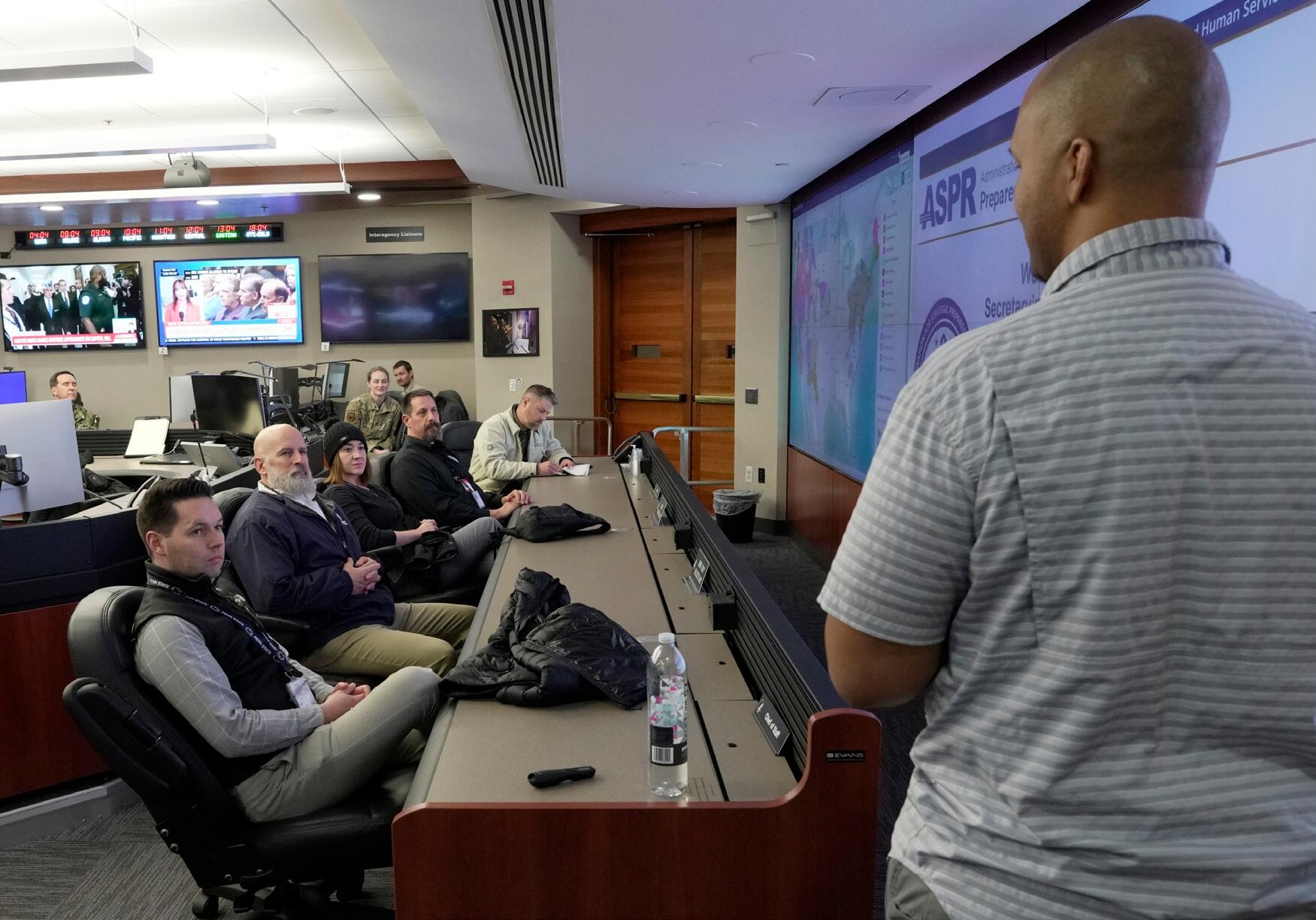
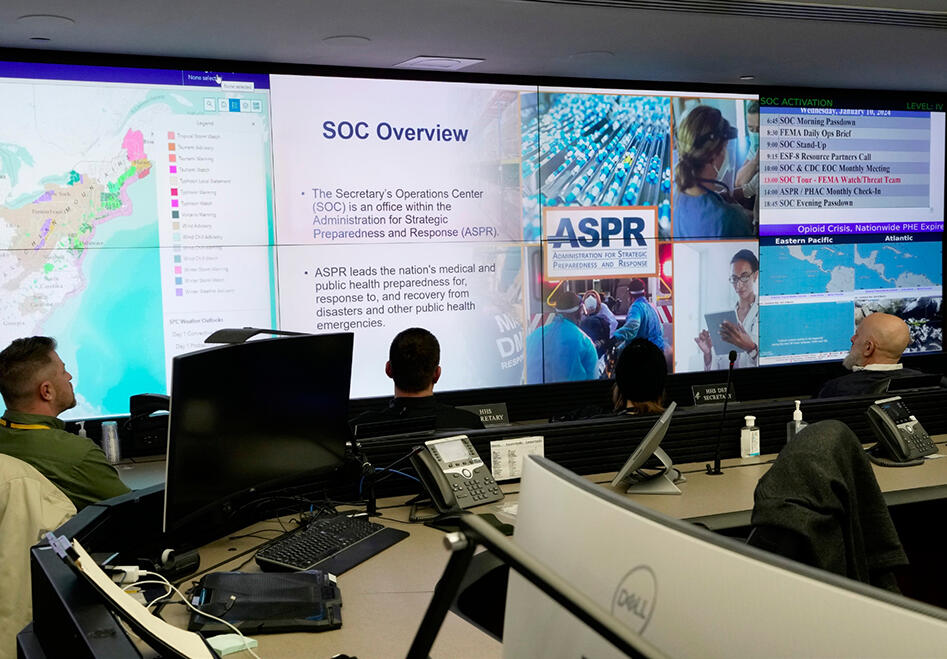
The HHS Secretary’s Operations Center (SOC) is the primary emergency operations center for HHS. The HHS SOC serves as the focal point for the federal public health and medical response; provides situational awareness; is a focal point for international information sharing through the International Health Regulations; and provides vital information to HHS senior leaders.

Additionally, the HHS SOC is responsible for resource support; resource allocation and prioritization; resource notification, activation, mobilization, and tracking; continuity of operations and government; and the international health regulations.

The HHS SOC supports ASPR’s mission as the lead federal entity for Emergency Support Function #8 (ESF 8), Public Health and Medical Response .

The HHS SOC Watch Division provides 24/7/365 situational awareness, with early detection and warning capabilities that target real or potential threats to the health and security of people across the country. Watch Officers issue a variety of reports and notifications on emerging incidents/events and coordinate conference calls for leadership situational awareness and decision making.

The HHS SOC Watch is also designated as America’s National Focal Point under the International Health Regulations. In this capacity, the Watch Division facilitates the notification and assessment process for Public Health Emergencies of International Concern, liaising between ASPR, the HHS Office of Global Affairs, the World Health Organization, and other international partners.

HHS SOC Core Capabilities

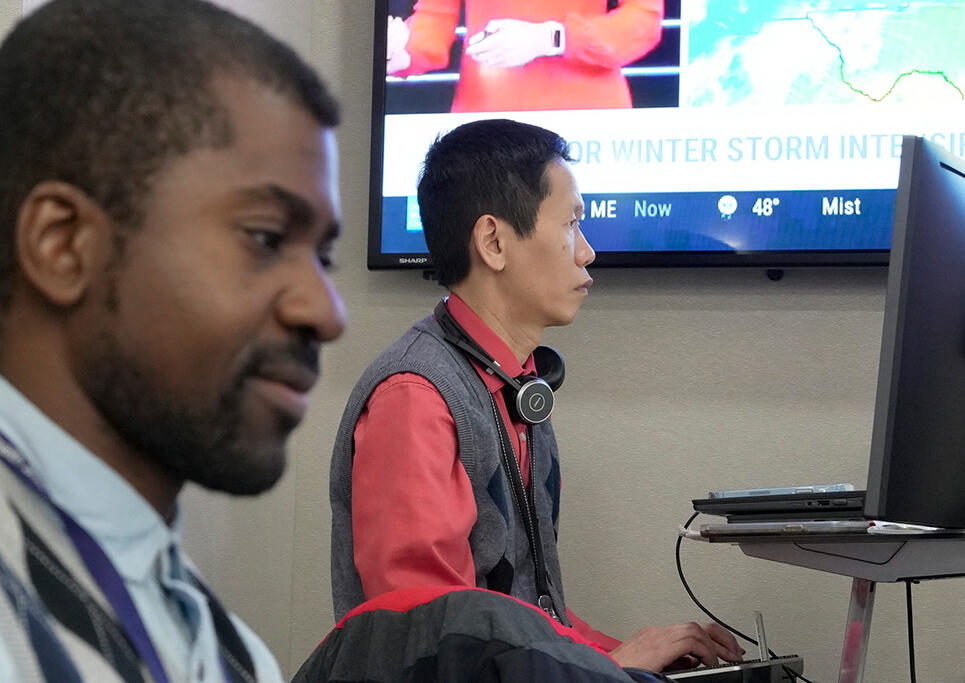
operations staff coordinating activities

Operational Coordination

Command Center for Coordinated Federal Public Health & Medical Response

The scalability and flexibility inherent in the HHS SOC’s organizational structure allow it to address a single incident or multiple incidents and/or national security special events occurring simultaneously.

The HHS SOC maintains various levels of activation to meet situational requirements, starting from a lower activation level (Level IV) comprised of 24-hour watch, monitoring, and routine reporting functions, along with select virtual or physical staffing across its core Command and General Staff sections as specified by the National Incident Management System (NIMS) Incident Command System (ICS). Higher activation levels (Levels I-III) may include full augmentation from other ASPR offices, as well as representatives from other HHS and/or interagency partners. The higher levels of activation are implemented based on the Commander’s information requirements, with Level I being the highest for large, no-notice disasters with national public health consequences.


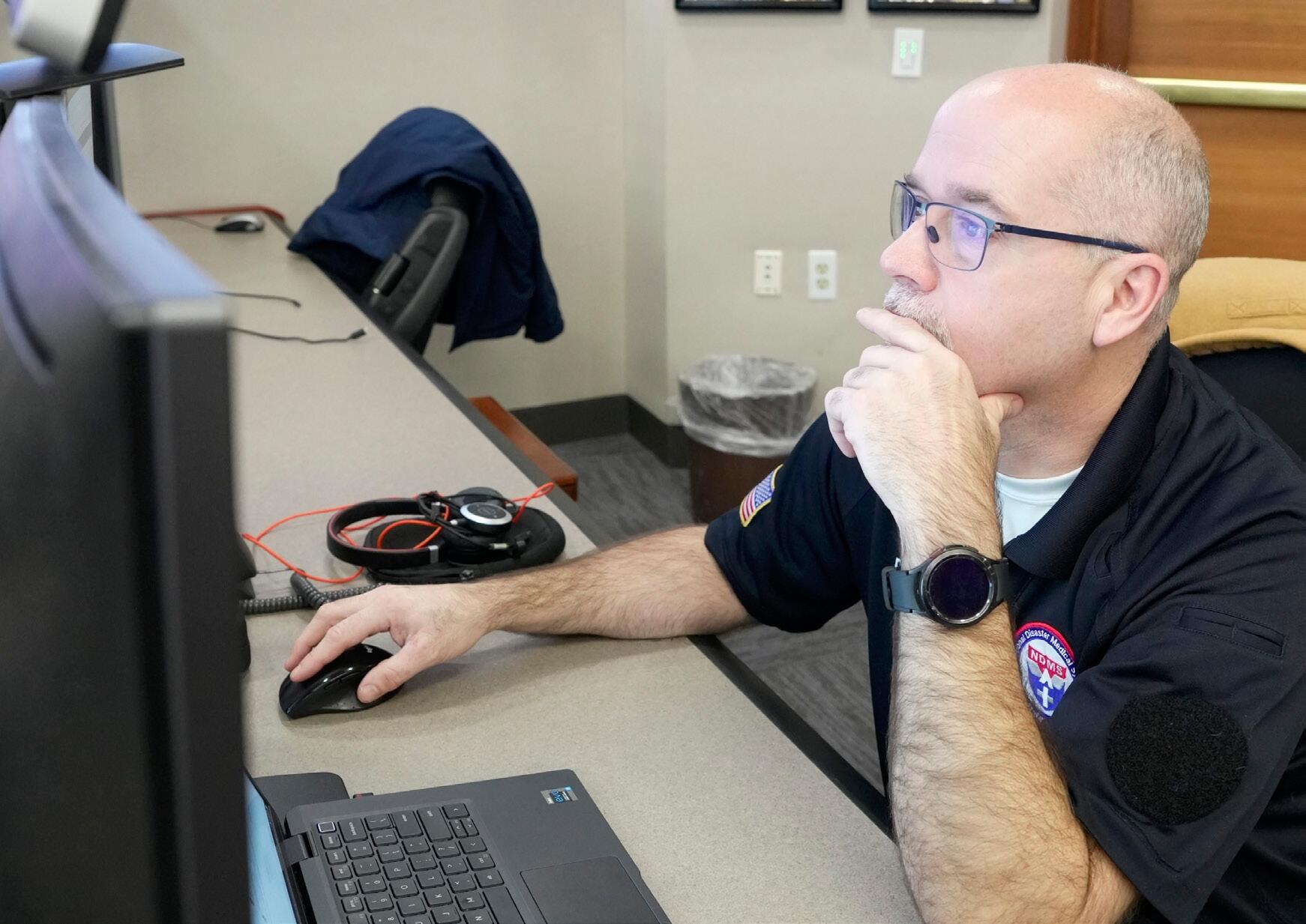
man reads from computer screen

Situational Awareness

The mission of the HHS SOC is to protect the health, safety, and security of the nation by serving as the 24/7/365 focal point for public health and medical information collection, sharing, and analysis, as well as facilitating the coordination of HHS preparedness, response, recovery, and mitigation operational resource requirements.


Global communication and coordination efforts

Global Information Sharing

International Health Regulations Focal Point for the U.S.

The HHS SOC maintains a steady-state 24-hour watch function for situational awareness of any emerging situation, nationally or internationally, which may require a coordinated public health and medical federal disaster response.


Team coordinating communication and response updates

Communications

Communications Hub for Leadership

The HHS SOC provides notifications including general situational awareness and updates; coordinates personnel actions (alerts, activations, mobilizations, and demobilizations); and initiates and/or coordinates response-related information sharing. The HHS SOC also establishes and maintains strategic situational awareness to support HHS senior leader decision making.

The Role of Healthcare Providers in Combating Human Trafficking during Disasters

The Role of Healthcare Providers in Combating Human Trafficking during Disasters


Healthcare providers may not realize they are a crucial partner in combating and preventing human trafficking, particularly during and after emergency events. Human trafficking is a crime involving the exploitation of someone for the purposes of compelled labor or a commercial sex act through the use of force, fraud, or coercion. It affects men, women, boys, and girls across the world, including here in the United States, and is commonly regarded as one of the most pressing human rights issues of our time. Human trafficking affects every community in the United States across age, gender, ethnicity, and socio-economic backgrounds. It is a market-driven criminal industry that is based on the principles of supply and demand, like drugs or arms trafficking. Many factors make children and adults vulnerable to human trafficking, including disasters.

Disasters make children and adults vulnerable to human trafficking because they often create chaos and disrupt systems that are in place to protect people. Perpetrators of human trafficking are able to exploit these conditions to their benefit. Disasters may also result in children becoming separated from their parents, survivors of disasters engaging in survival strategies that increase their risk of being taken advantage of, and new markets for cheap labor being created to fill rebuilding needs. Given that disasters increase the risks associated with human trafficking, healthcare and emergency service professionals providing care to individuals during or after a disaster are likely to encounter a person who has been or is being trafficked.

Studies have shown that even outside of a disaster context, approximately 50% of trafficking victims saw a health professional while in captivity. However, healthcare workers, and particularly physicians, are rarely trained to recognize these patients, despite their potential opportunity to intervene. Thus, by becoming more aware of the problem and how to respond, healthcare providers working both in and outside of a disaster context can help by preventing continued victimization caused by human trafficking. 
 

The materials presented here can be used by disaster responders and health professionals to understand the relationship between human trafficking and disasters, how to recognize signs of human trafficking, what resources exist for further training on this topic, and what to do if you suspect one of your patients is a victim of human trafficking.


FY 2025 President’s Request: ASPR Highlights

FY 2025 President’s Request: ASPR Highlights


The FY 2025 President's Budget discretionary request for ASPR is $3.8 billion, which is an increase of +$138 million above FY 2023. The budget also proposes $20 billion in mandatory funding across HHS public health agencies to strengthen the nation's biodefense capabilities, of which $10.54 billion would support ASPR activities.

Budget Summary
(Dollars in Millions) 
 

FY 2023Final

FY 2024CR

FY 2025President's Budget

FY 2025 +/- FY 2023

Budget Authority

3,629.677

3,629.677

3,768.088

+138.411

Program Level

3,629.677

3,629.677

3,768.088

+138.411

Mandatory Pandemic Preparedness (non-add)

-

-

10,540.000

+10,540.000

FTE

1,246

1,270

1,463

+217

Key Proposed Changes

Throughout the pandemic, the Industrial Base Management and Supply Chain office supported $17 billion of investments in expanding the domestic industrial base and other critical manufacturing contracts, in addition to critical investments made by the Biomedical Advanced Research and Development Authority and other ASPR components. The President's Budget ensures ASPR can continue its efforts to strengthen the domestic medical supply chain. The Budget includes $95 million to expand and accelerate development and domestic production of medical countermeasures and improve visibility and management of medical supply chains to mitigate potential shortages of priority drugs and devices. Specifically, the President's Budget provides $75 million to onshore production of medical countermeasures (MCMs) and active pharmaceutical ingredients, consistent with Made in America and National Biodefense Strategy goals. The Budget also includes $20 million to expand end-to-end visibility and management of the medical and public health supply chain for priority drugs and devices.

Vaccine Manufacturing

The President's Budget proposes to increase BARDA's Broad Spectrum Antimicrobials and Combatting Antibiotic-Resistant Bacteria portfolio by $20 million. The FY 2025 request will support the Combatting Antibiotic Resistant Bacteria Accelerator (CARB-X) and the advanced clinical stage development of novel broad-spectrum antimicrobials to prevent and treat drug-resistant bacterial and fungal infections in both adult and pediatric populations. The Budget request supports the advanced development of the highest priority MCMs against all 20 material threats identified by Department of Homeland Security and prioritized in the PHEMCE Strategy and Implementation Plan.

Scientist in a lab

The Strategic National Stockpile is a reserve of FDA-approved pharmaceuticals, lifesaving medical supplies, medicines, and devices, that stand ready for rapid deployment to states, tribes, territories, and metropolitan areas in the event of chemical, biological, radiological, or nuclear threats. Stockpile products are deployed during public health emergencies to supplement the critical medical supplies of states, tribes, territories, and localities.

SNS Warehouse

The President's Budget proposes an additional $12 million to support ASPR's Critical Infrastructure Protection (CIP) program, which will improve HHS-wide coordination and response to cyber incidents affecting the Healthcare and Public Health Sector. A significant portion of the increased funds will be used for acquisition of cybersecurity and risk management expertise.

Female scientists in a lab

The FY 2025 request includes a $20 billion mandatory investment, available over five years, across HHS public health agencies to strengthen the nation's biodefense capabilities as outlined in the National Biodefense Strategy. This proposal requests funding within the PHSSEF, to be allocated to NIH, CDC, FDA, and ASPR. The $10.5 billion allocated to ASPR will be used to conduct advanced research and development of vaccines, therapeutics, and diagnostics for high priority pathogens; scale up domestic manufacturing capacity for medical countermeasures; bolster personal protective equipment (PPE) and critical medicines supply chain; develop technologies for biosurveillance and early warning; and support training for the public health workforce.

Male scientist using a microscope in a lab setting

ASPR uses Operations funding to support the country in preparing for, responding to, and recovering from public health emergencies and disasters. The President's Budget request includes an additional $45.5 million, which will allow ASPR to build a more resilient response organization by improving our human capital, acquisitions/financial management, and IT capabilities. These activities provide support across ASPR's programs and will also ensure ASPR builds and sustains critical agency infrastructure as an HHS Operating Division. 
 

Two women shaking hands in an office setting

The Preparedness and Emergency Operations program leads many preparedness and coordination functions, including managing HHS's responsibilities as the coordinator of public health and medical emergency services during Stafford Act or Public Health Service Act emergency declarations and as the Health and Social Services Recovery Support Function of the National Disaster Recovery Framework. The FY 2025 budget includes $31 million, of which $5 million is for National Special Security Events, steady with FY 2023.

ASPR staff in a response center

The HHS Coordination Operations and Response Element is ASPR's primary logistics and operations hub for procurement, production, and distribution of medical countermeasures during a public health emergency. This funding will support the sustainment and evolution of these logistics responsibilities, including operational readiness, data and security assurance, and the development and improvement of data sharing and inventory management tools.

Group of people watching hologram screen

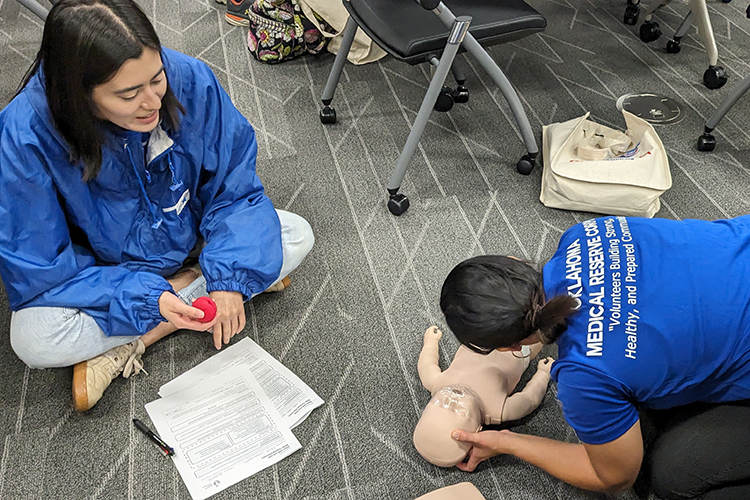
The Medical Reserve Corps network comprises more than 300,000 civilian volunteers in roughly 750 community-based units, all committed to improving local emergency response capabilities, reducing vulnerabilities, and building community preparedness and resilience. The budget includes $6 million for the Medical Reserve Corps, which is steady with FY 2023. This funding supports overarching national and regional coordination and technical assistance to Medical Reserve Corps unit leaders.

MRC staff conducting CPR training on infant-like training doll

ASPR Policy and Planning ensures the development of and adherence to evidence-based strategies, best practices, and equitable partnerships. The program provides the policy direction and foundation for ASPR's critical work assisting the Department, the U.S. government, and the nation in preparing for, responding to, and recovering from public health emergencies.

Shot of a group of business people sitting together in a meeting

ASPR Internships

ASPR Internships

HHS Administration for Strategic Preparedness and Response

ASPR's hands-on internship programs for students and recent graduates offer a unique experience in many of the career fields related to public health emergency preparedness, response, and recovery.

From managing the business side of preparedness to working with programs developing the next generation of medical countermeasures, ASPR internship programs provide a one-of-a-kind opportunity to gain real-world experience.

Open Student Volunteer Opportunities

There are no open student volunteer opportunities at this time.

Apply Today! Become a Part of the ASPR Team!

Apply Today! Become a Part of the ASPR Team!

Become a part of the team that leads nation's medical and public health preparedness for, response to, and recovery from disasters and other public health emergencies. Join our team of dedicated professionals committed to enhancing resilience in the face of disasters, developing cutting-edge medical countermeasures, securing our nation's public health and medical supply chains, stockpiling medical supplies and equipment, and more. Explore the exciting career opportunities we off and discover how you can make a meaningful impact on the health of our nation. The list below shows open opportunities to join our team!

Vaccines

Vaccines


The COVID-19 pandemic required unprecedented coordination and cooperation between the U.S. government and the pharmaceutical industry to bring vaccines to the public in record time. Less than a year after cases were first reported , vaccine was available for distribution and administration by the Federal Emergency Management Agency (FEMA) and state, local, territorial, and tribal governments. H-CORE distributed adult and pediatric vaccines to more than 90,000 provider sites around the country. Since the first vaccine was approved, we distributed more than 1 billion doses across the country.

H-CORE also facilitated the U.S. government's international vaccine donation program. In May 2021, President Biden pledged 100 million doses of COVID-19 vaccines to the global community to fight the pandemic. By July, along with its partners at the Department of State and the U.S. Agency for International Development (USAID), the HHS team fulfilled the President's mission. H-CORE continues to support and accelerate cross-agency efforts to vaccinate the world.

By the Numbers 
 

Delivery icon

+1BVaccine Doses 
Delivered

Vaccinated Adult icon

+79%U.S. Adults Fully 
Vaccinated

Vaccine icon

+231MFully Vaccinated Americans

Tests

Tests

The ASPR Testing and Diagnostics Working Group partnered with H-CORE to lead an unprecedented initiative, working with the U.S. Postal Service (USPS) and the Department of Defense (DoD) to achieve a milestone like no other in the nation's history—coordinating the delivery of hundreds of millions of free, rapid, at-home tests to American households in record time.

The team acquired 1 billon tests from the global marketplace without disrupting retail sales or state fulfillments. USPS developed the website for public ordering. The DoD rapidly mobilized to receive and inspect, pack, and deliver these tests—sometimes handling 10 million a day—for USPS distribution sites across the country for shipment and delivery. The USPS delivered tests to more than half of U.S. households between January and early March 2022

Subscribe to USWDS Height Mobile Large (400px)