FY 2025 President’s Request: ASPR Highlights
The FY 2025 President's Budget discretionary request for ASPR is $3.8 billion, which is an increase of +$138 million above FY 2023. The budget also proposes $20 billion in mandatory funding across HHS public health agencies to strengthen the nation's biodefense capabilities, of which $10.54 billion would support ASPR activities.
FY 2023Final | FY 2024CR | FY 2025President's Budget | FY 2025 +/- FY 2023 | |
|---|---|---|---|---|
| Budget Authority | 3,629.677 | 3,629.677 | 3,768.088 | +138.411 |
| Program Level | 3,629.677 | 3,629.677 | 3,768.088 | +138.411 |
| Mandatory Pandemic Preparedness (non-add) | - | - | 10,540.000 | +10,540.000 |
| FTE | 1,246 | 1,270 | 1,463 | +217 |
Key Proposed Changes
Throughout the pandemic, the Industrial Base Management and Supply Chain office supported $17 billion of investments in expanding the domestic industrial base and other critical manufacturing contracts, in addition to critical investments made by the Biomedical Advanced Research and Development Authority and other ASPR components. The President's Budget ensures ASPR can continue its efforts to strengthen the domestic medical supply chain. The Budget includes $95 million to expand and accelerate development and domestic production of medical countermeasures and improve visibility and management of medical supply chains to mitigate potential shortages of priority drugs and devices. Specifically, the President's Budget provides $75 million to onshore production of medical countermeasures (MCMs) and active pharmaceutical ingredients, consistent with Made in America and National Biodefense Strategy goals. The Budget also includes $20 million to expand end-to-end visibility and management of the medical and public health supply chain for priority drugs and devices.

The President's Budget proposes to increase BARDA's Broad Spectrum Antimicrobials and Combatting Antibiotic-Resistant Bacteria portfolio by $20 million. The FY 2025 request will support the Combatting Antibiotic Resistant Bacteria Accelerator (CARB-X) and the advanced clinical stage development of novel broad-spectrum antimicrobials to prevent and treat drug-resistant bacterial and fungal infections in both adult and pediatric populations. The Budget request supports the advanced development of the highest priority MCMs against all 20 material threats identified by Department of Homeland Security and prioritized in the PHEMCE Strategy and Implementation Plan.

The Strategic National Stockpile is a reserve of FDA-approved pharmaceuticals, lifesaving medical supplies, medicines, and devices, that stand ready for rapid deployment to states, tribes, territories, and metropolitan areas in the event of chemical, biological, radiological, or nuclear threats. Stockpile products are deployed during public health emergencies to supplement the critical medical supplies of states, tribes, territories, and localities.

The President's Budget proposes an additional $12 million to support ASPR's Critical Infrastructure Protection (CIP) program, which will improve HHS-wide coordination and response to cyber incidents affecting the Healthcare and Public Health Sector. A significant portion of the increased funds will be used for acquisition of cybersecurity and risk management expertise.

The FY 2025 request includes a $20 billion mandatory investment, available over five years, across HHS public health agencies to strengthen the nation's biodefense capabilities as outlined in the National Biodefense Strategy. This proposal requests funding within the PHSSEF, to be allocated to NIH, CDC, FDA, and ASPR. The $10.5 billion allocated to ASPR will be used to conduct advanced research and development of vaccines, therapeutics, and diagnostics for high priority pathogens; scale up domestic manufacturing capacity for medical countermeasures; bolster personal protective equipment (PPE) and critical medicines supply chain; develop technologies for biosurveillance and early warning; and support training for the public health workforce.

ASPR uses Operations funding to support the country in preparing for, responding to, and recovering from public health emergencies and disasters. The President's Budget request includes an additional $45.5 million, which will allow ASPR to build a more resilient response organization by improving our human capital, acquisitions/financial management, and IT capabilities. These activities provide support across ASPR's programs and will also ensure ASPR builds and sustains critical agency infrastructure as an HHS Operating Division.

The Preparedness and Emergency Operations program leads many preparedness and coordination functions, including managing HHS's responsibilities as the coordinator of public health and medical emergency services during Stafford Act or Public Health Service Act emergency declarations and as the Health and Social Services Recovery Support Function of the National Disaster Recovery Framework. The FY 2025 budget includes $31 million, of which $5 million is for National Special Security Events, steady with FY 2023.
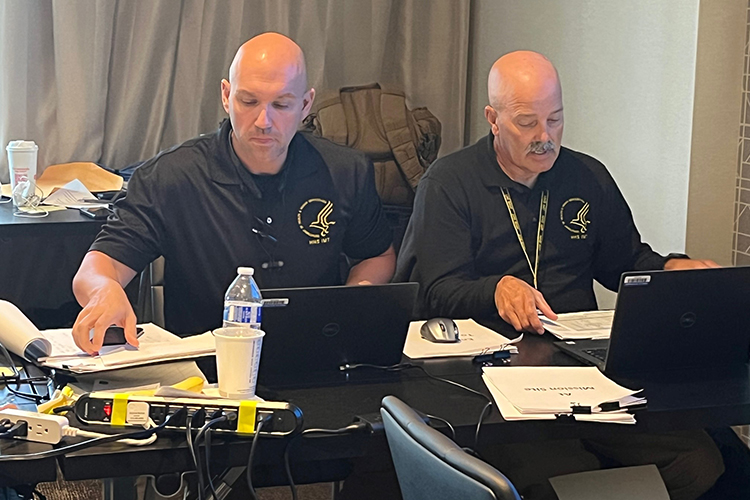
The HHS Coordination Operations and Response Element is ASPR's primary logistics and operations hub for procurement, production, and distribution of medical countermeasures during a public health emergency. This funding will support the sustainment and evolution of these logistics responsibilities, including operational readiness, data and security assurance, and the development and improvement of data sharing and inventory management tools.

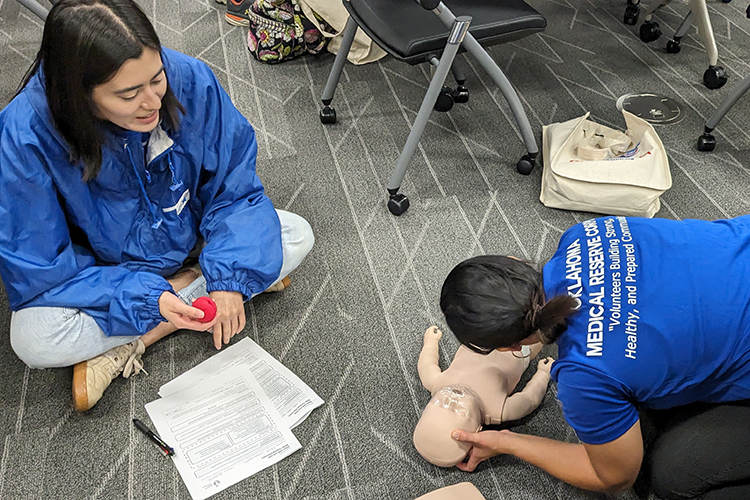
The Medical Reserve Corps network comprises more than 300,000 civilian volunteers in roughly 750 community-based units, all committed to improving local emergency response capabilities, reducing vulnerabilities, and building community preparedness and resilience. The budget includes $6 million for the Medical Reserve Corps, which is steady with FY 2023. This funding supports overarching national and regional coordination and technical assistance to Medical Reserve Corps unit leaders.
ASPR Policy and Planning ensures the development of and adherence to evidence-based strategies, best practices, and equitable partnerships. The program provides the policy direction and foundation for ASPR's critical work assisting the Department, the U.S. government, and the nation in preparing for, responding to, and recovering from public health emergencies.