Planning to Bring Americans Home when Disaster Strikes: How ASPR and Japan Built a Model for Partnership and Preparedness
Topic:
ASPR supports planning to ensure that Americans overseas are safe and supported when disasters strike. By building trusted partnerships with foreign governments and response agencies, ASPR ensures that if an international crisis unfolds, Americans located overseas can return to US soil.
Since 2018, ASPR has engaged with Japan's Ministry of Health, Labour and Welfare (MHLW) and the Japan Disaster Medical Assistance Team (DMAT) Secretariat to plan and prepare to support the return of American citizens from abroad during international crisis.
Building the Partnership to Strengthen Preparedness
Our work with our Japanese counterparts targets four key focus areas within ASPR's mission: partnership and collaboration, repatriation, large-scale combat operations (LSCO) preparedness, and DMAT interoperability.
In April 2018, ASPR hosted MHLW and the Japan DMAT Secretariat in Hawaii to discuss repatriation of Americans during crisis and demonstrate capabilities of the National Disaster Medical System (NDMS) in action. That meeting laid the groundwork for a durable relationship built on trust, transparency, and shared commitment to the mission and people we support.
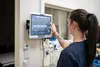
Since then, ASPR has invested in efforts to advance preparedness and planning including joint training, routine engagement, and participation in Japan's national DMAT exercises. These efforts have not only increased mutual understanding, but we also now have robust plans in place and know that both nations are positioned to act swiftly and effectively when emergencies occur.
Repatriation of American Citizens
The Department of State (DOS) leads repatriation of all American citizens located abroad under their robust authorities. However, some aspects of repatriation are central to ASPR's mission, such as supporting health screening, quarantine and isolation, and providing life-saving care as these citizens return home. When natural disasters, health crises, or emergencies occur, Americans are often caught in the same conditions as host nations' populations. While host governments focus resources on their own citizens, ASPR ensures that Americans receive care and can return home safely.
This priority came into sharp focus during the early days of the COVID-19 pandemic. When the Diamond Princess cruise ship docked in Yokohama at the outset of the COVID-19 pandemic in February of 2020. 419 Americans, many elderly and dependent on medication, were among those stranded.
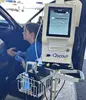
Thanks to years of prior engagement, coordination, and planning, MHLW formally requested U.S. NDMS DMAT support health screening and patient support on the ship. Within days, ASPR coordinated a DMAT deployment that stabilized patients and facilitated repatriation flights. Japan later affirmed that without this established trust, the deployment would not have been possible and would not have been as quick or efficient, potentially worsening the health of those in the Diamond Princess.
The Diamond Princess response demonstrated a core lesson: partnerships and plans built before a crisis enable decisive action when lives are at stake. These partnerships are core to preparing for the worst of days and ultimately result in saved lives during the disaster.
Preparing for Large Scale Combat Operations
While natural disasters are a frequent driver of international response, ASPR also plans for the possibility of large-scale combat operations (LSCO) affecting Americans overseas. In such situations, the Department of War rightly prioritizes the care of military personnel. Yet American civilians, such as tourists, business travelers, and long-term residents, face similar risks and require evacuation and medical support.
ASPR works closely with the Departments of State and War and host nations to develop pathways for the safe medical evacuation of Americans, and LSCO was included in the two JA NATIONAL DMAT exercises in 2025 ASPR attended Planning now for this complex mission ensures that non-military citizens will not be left behind in the chaos of conflict. NDMS teams are central to this mission, providing surge capacity and evacuation expertise when no other U.S. government resources are available.
Expanding Impact
ASPR's engagement and international collaboration with Japan are now part of a broader regional planning and preparedness effort. By joining multinational exercises and fostering collaboration with partners like Australia, Taiwan, Korea, and others, ASPR contributes to a growing network of interoperability and resiliency across the Indo-Pacific.
The Bottom Line
The partnership between ASPR and Japan shows what is possible when nations invest in trust and preparedness before disaster strikes. From the response to the Diamond Princess crisis to participation in multinational exercises, this collaboration has become a model for international medical cooperation.
As crises grow more complex, whether natural, manmade, or conflict-driven, ASPR's commitment to building strong global partnerships will remain essential. The lesson is clear: proactive engagement today lays the groundwork to bring Americans facing disasters and emergencies abroad home safely.