Tranquil Passport
New and Notable
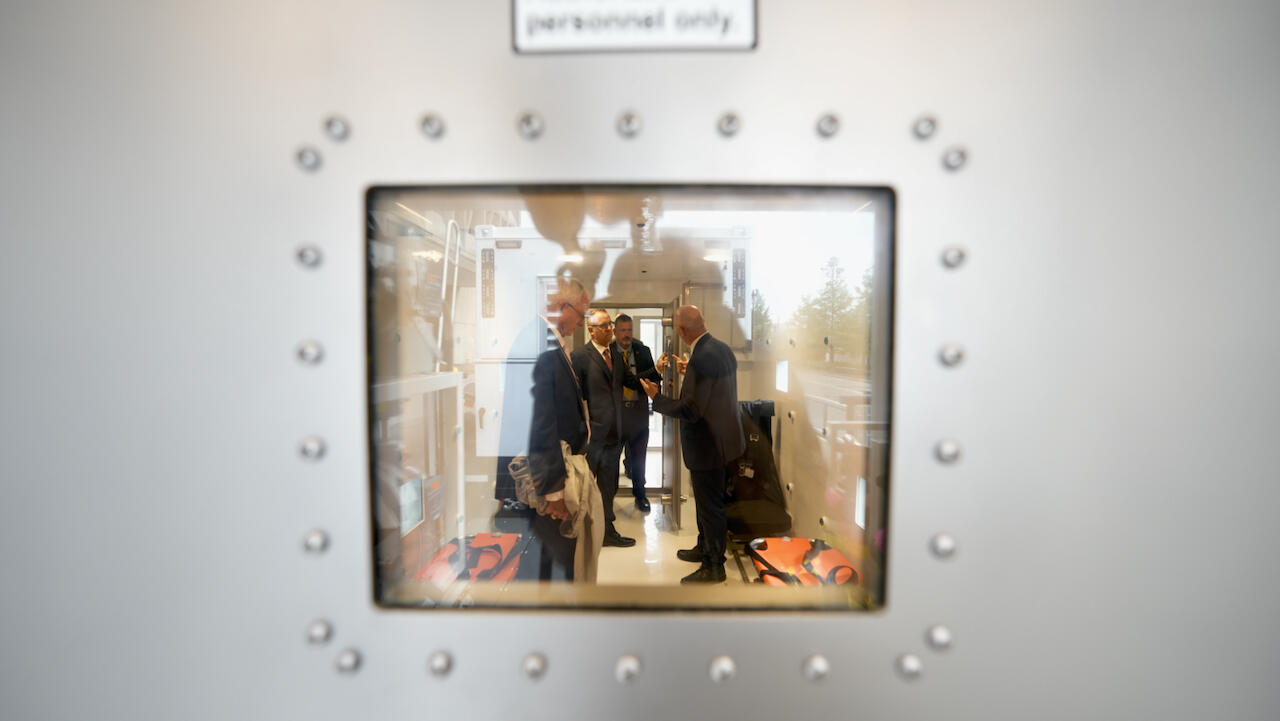
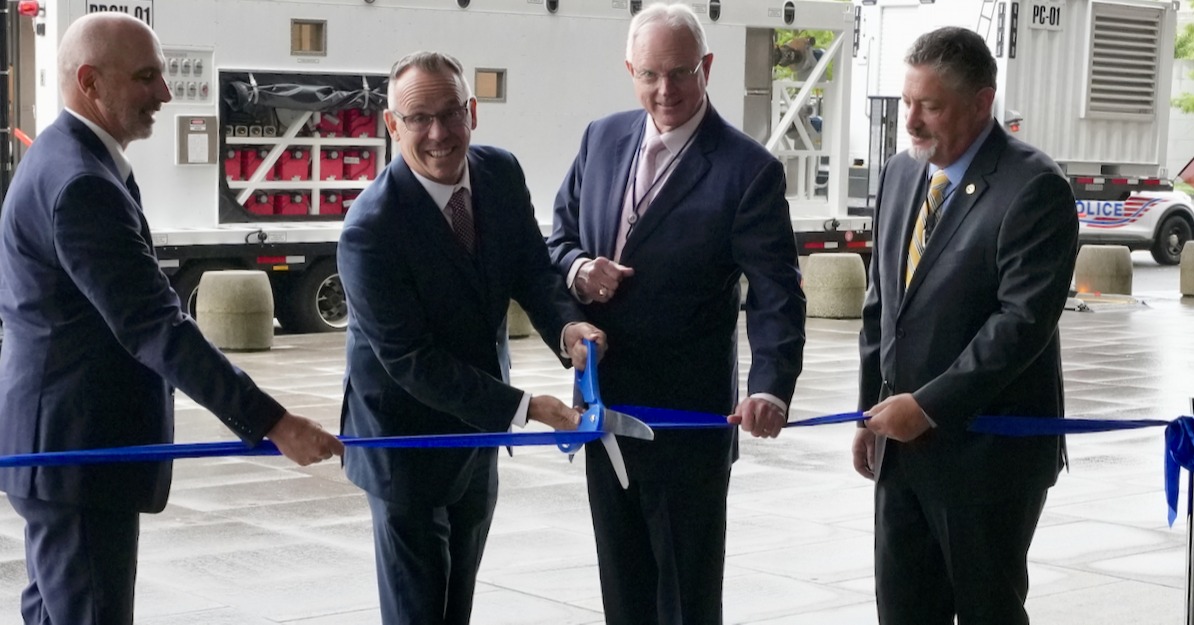
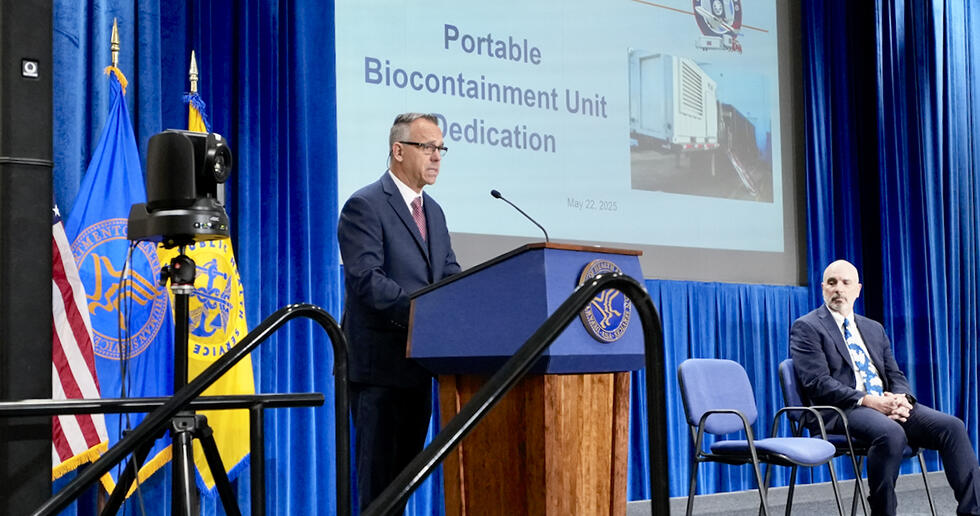
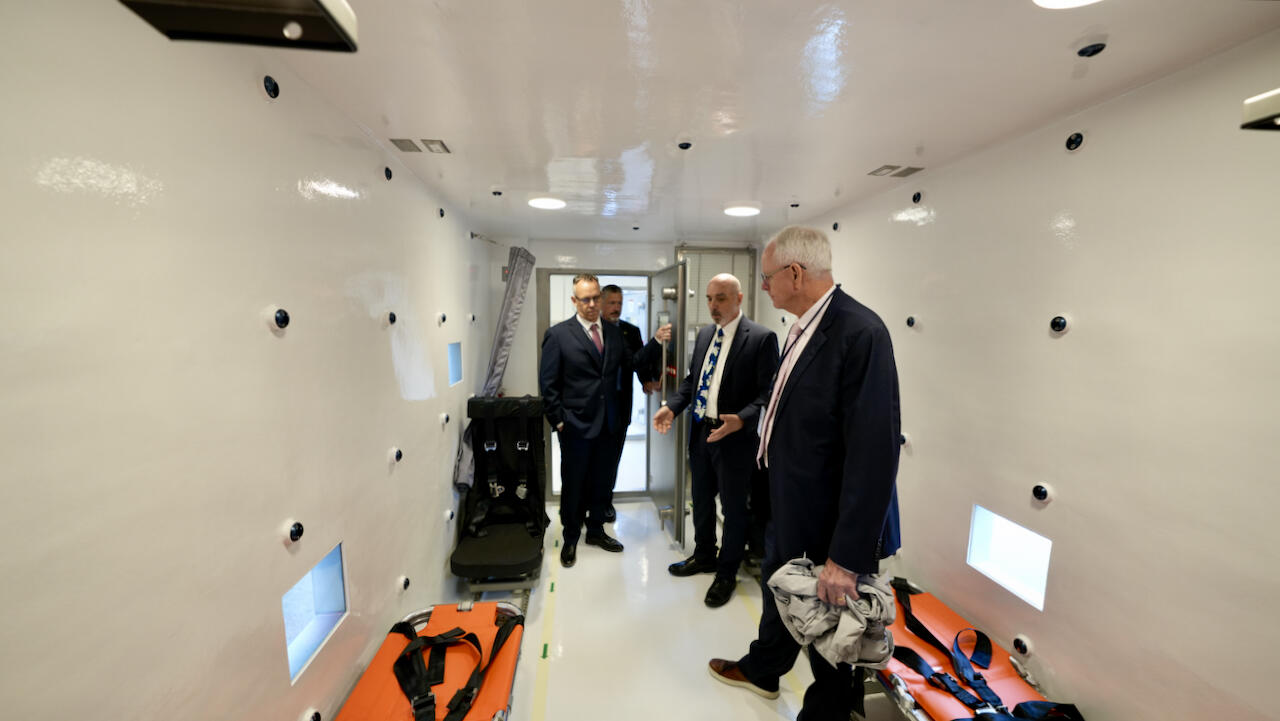
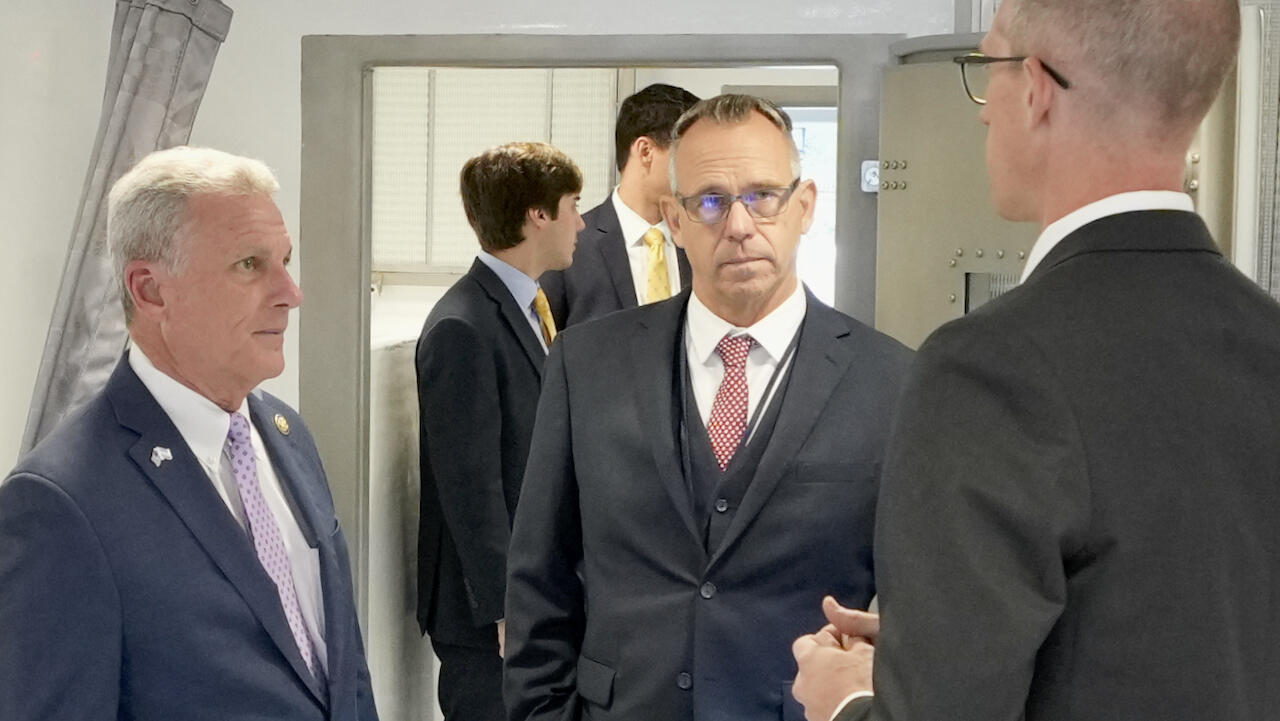
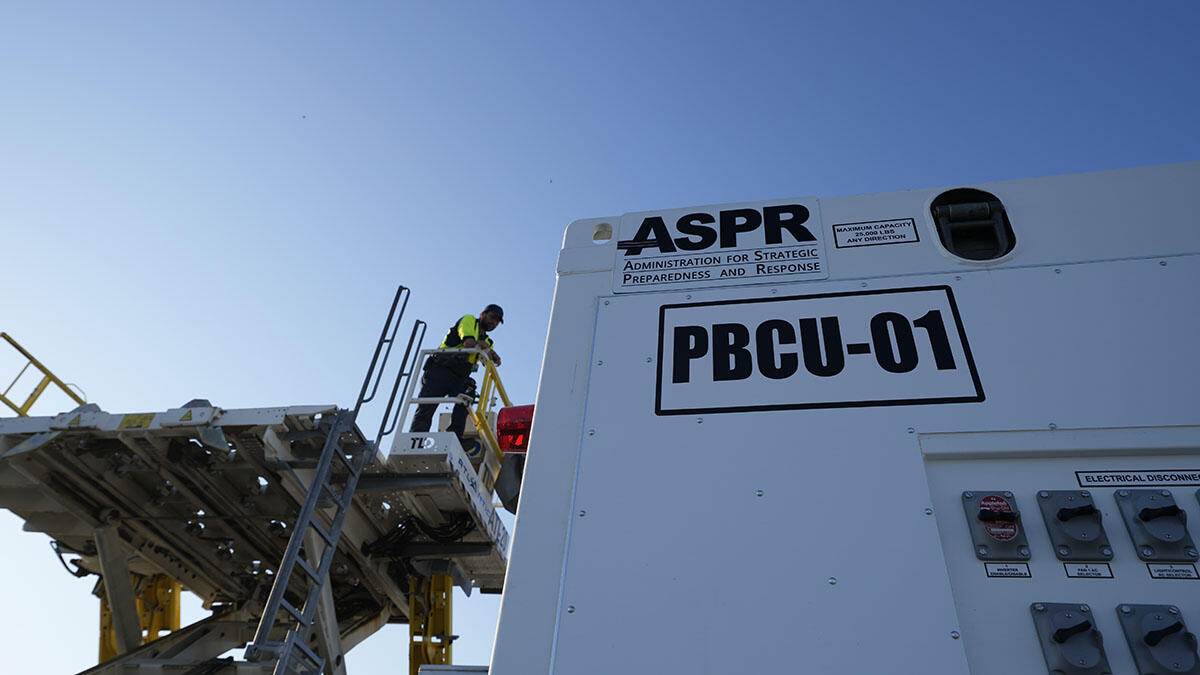
On May 22, 2025, the U.S. Department of Health and Human Services has unveiled a new Portable Biocontainment Unit (PBCU) that will be used to transport patients with high-consequence infectious diseases (HCID). The PBCU is the first domestic resource for isolating and transporting patients with contagious infectious diseases to Regional Emerging Special Pathogen Treatment Centers (RESPTC) via ground and air. This allows for continuous treatment of patients isolated in the unit until they can receive more definitive care at a RESPTC hospital.
The department will further test the PBCU in an exercise in June called Tranquil Passport, when more than 50 organizations will participate in a full-scale exercise to move infectious disease patients. The Tranquil Passport exercise will allow the department to test existing plans, processes, procedures, authorities, and capabilities to coordinate the movement of an HCID patient cluster from Canada to the United States. The exercise will occur over four days with coordination from local, state, federal, international, and nongovernmental partners.

Preparing for High Consequence Infectious Disease Patients
The following resources can help health care providers, emergency medical services, and public health professionals prepare for an event involving a patient or patients with High Consequence Infectious Diseases (HCIDs), such as Ebola.
Ebola/Viral Hemorrhagic Fever (VHF): The resources in this TC highlight case studies, lessons learned, tools, and promising practices for planning for and responding to Ebola and VHF outbreaks.
Exercise Program: The resources in this TC can help exercise designers, planners, researchers, and other interested individuals plan exercises with robust evaluation and in compliance with Federal guidelines.
VHF Preparedness Checklist [netec.org]: The Health Care Facility Viral Hemorrhagic Fever (VHF) Preparedness Checklist is a hospital planning tool to help health care facilities assess their readiness to identify, isolate, inform, and provide initial treatment for patients suspected or confirmed to have a VHF.
EMS Biosafety Operators Course [courses.netec.org]: This self-paced course covers PPE, vehicle prep, decontamination, and biosafety best practices for EMS professionals to safely transport patients with high-consequence infectious diseases.
Incident Planning Guide (IPG): Special Pathogens [repository.netecweb.org]: The Special Pathogen Incident Planning Guide (IPG) helps healthcare facilities prepare for and respond to special pathogen events, including risk assessment, protocol development, training, and more.
Identify, Isolate, Inform Approach for High-Consequence Infectious Diseases: A toolkit for enhancing infection prevention and control in healthcare facilities.
Hospital Surge Capacity and Immediate Bed Availability: These resources highlight recent case studies, lessons learned, tools, and promising practices for planning and improving response to a surge event with a focus on capacity for mass casualties.
Incident Management: The resources in this TC highlight incident and hospital incident command and other models that can help emergency medical planners create new and improve existing plans.
Information Sharing: These resources highlight guidance and lessons learned on information sharing that can help emergency health planners identify stakeholders to incorporate into the information flow, develop rules and elements for sharing, and exchange information to ensure a common operating picture.
Pre-Hospital: The resources in this TC include research articles, fact sheets, algorithms, and templates that can help emergency medical service providers and other first responders prepare for and respond to a variety of critical incidents.
Patient Movement, Medical Operations Coordination Center (MOCCs), and Tracking: This TC includes resources on patient movement from area healthcare facilities and tracking that can help emergency planners and responders learn more about various levels of assistance available, how to request it, how it is activated, and lessons learned from recent incidents.
Responder Safety and Health: The resources in this TC focus on safety strategies (e.g., preventing fatigue, ensuring the availability and correct use of personal protective equipment) and maintaining behavioral health (e.g., working through stress and preventing/addressing compassion fatigue).
Crisis Standards of Care (CSC) Resources Page: This page highlights resources developed to help healthcare stakeholders better understand the concept of CSC, how it has been implemented in the past, and how CSC can be incorporated into existing hospital emergency operations plans.
EMS Infectious Disease Playbook: This playbook (updated in 2023) synthesizes multiple sources of information in a single planning document addressing the full spectrum of infectious agents to create a concise reference resource for emergency medical services (EMS) agencies developing their service policies. The information can be incorporated into agency standard operating procedures and reviewed by the EMS medical director.
Infectious Disease Resource Page: This page highlights resources ASPR TRACIE developed to address current and emerging infectious disease threats. While many ASPR TRACIE resources are relevant to planning for and responding to infectious disease emergencies, this page features those created specifically for that purpose.