





About the Office of Medical Reserve Corps (MRC)
The MRC network comprises more than 270,000 volunteers in roughly 700 community-based units located throughout the United States and its territories. MRC units organize and utilize local volunteers who want to donate their time and expertise to prepare for and respond to emergencies and to support ongoing preparedness initiatives. MRC volunteers include medical and public health professionals as well as other community members without healthcare backgrounds who want to improve the health and safety of their communities.
Why the MRC is Needed
The need for the MRC became apparent after the September 11, 2001, terrorist attacks, when medical and public health professionals, eager to volunteer in support of emergency relief activities, found that there was no organized approach to channel their efforts. As a result, the MRC was established to provide a way to recruit, train, and activate medical and public health professionals and other volunteers to respond to community health needs during disasters and other public health emergencies.
MRC Activities
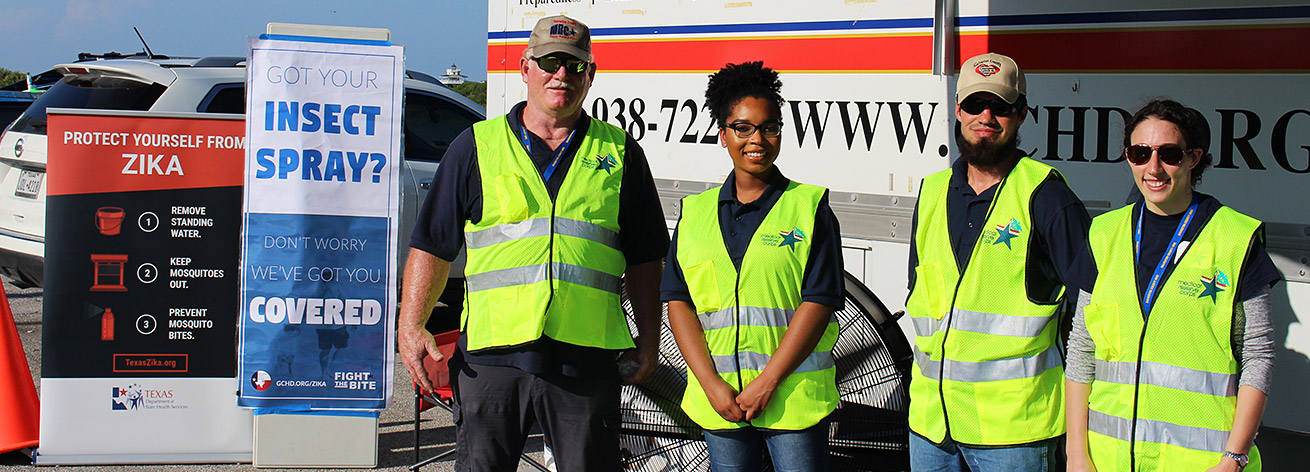
Examples of activities that MRC volunteers participate in and support include the following:
MRC Organization
Local
At the local level, each MRC unit is led by an MRC unit coordinator, who matches community needs—for emergency medical response and public health initiatives—with volunteer capabilities. Local coordinators are also responsible for building partnerships, ensuring the sustainability of the local unit, and managing volunteer resources.
Looking to start an MRC Unit? Learn more here!
State Coordinators
State coordinators collaborate with the regional liaisons and unit leaders at the local level, as well as state-level partners. To find the contact information for the state coordinator in your area, select your state from the dropdown menu below.
Office of Medical Reserve Corps
The Office of Medical Reserve Corps (OMRC) is the national office of the MRC and is housed within the Center for Preparedness (CP), Administration for Strategic Preparedness and Response (ASPR), U.S. Department of Health and Human Services (HHS). The MRC Program supports the MRC network by providing technical assistance, coordination, communications, strategy and policy development, grants and contract oversight, training, and other associated services. It provides information and best practices to help communities establish, implement, and maintain MRC units in order to achieve their local visions for public health and emergency preparedness.
There are 10 MRC regions and 10 regional liaisons across the United States and its territories. Regional liaisons collaborate with local MRC unit coordinators, state coordinators, medical and healthcare personnel as well as personnel at national, state, and local public health and emergency preparedness agencies.
Looking for more information? To hear perspectives on serving with the MRC, check out the stories from our MRC network. Visit the Contact Us page for MRC program staff and regional liaison contact information.

 Facebook
  Twitter
  YouTube
  Flickr
  Subscribe