





CHEMPACK Program
What is CHEMPACK?
The CHEMPACK program is a nationwide, voluntary program managed by the Strategic National Stockpile (SNS) as an essential part of the nation's defense against terrorism. The joint-venture program provides states, large metropolitan areas and territories with medical countermeasures (MCMs) for first responders and medical professionals to rapidly respond to a chemical nerve agent incident.
CHEMPACKs are deployable containers of nerve agent antidotes placed in secure locations in local jurisdictions around the country. The medications and supplies in CHEMPACK containers treat the symptoms of nerve agent exposure and can be used even when the actual agent is unknown. CHEMPACK containers are positioned in all 50 states, the four largest metropolitan areas and eight territories and island jurisdictions.
CHEMPACK products are intended for use during a suspected or confirmed chemical nerve agent or organophosphate incident likely to exceed local supplies. State and local officials determine when to deploy CHEMPACK products based on incident needs and incorporate this capability into their established local response plans. The containers can be moved to support special events as needed.
There is no federal request process to access CHEMPACK containers. Because the containers are forward positioned in communities, authorized state and local officials can rapidly access and deploy the medications without requesting assistance from the federal government. CHEMPACKs are accessed through state and local emergency response, public health, healthcare, and emergency management coordination procedures.
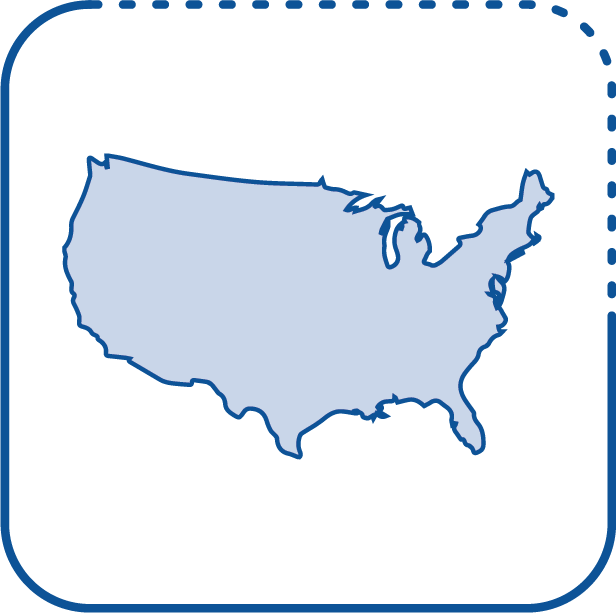
The SNS manages 1,974 containers strategically placed in locations across the U.S.

More than 90 percent of the population is within an hour of a CHEMPACK container.

Most containers are located in hospitals or fire stations for quick access during nerve agent incidents.
History of the CHEMPACK program
The SNS established the CHEMPACK pilot program in September 2002 to improve rapid access to nerve agent countermeasures, which must be administered within minutes of exposure. Because minutes count, the goal was to find a faster distribution model than the 12-hour delivery timeframe within which most MCMs in the SNS inventory are delivered.
The pilot program tested the forward placement of SNS-owned nerve agent antidotes with first responders and healthcare facilities in three project areas: South Dakota, Washington State, & New York City. The pilot also evaluated procedures for securing, monitoring and maintaining SNS inventory stored outside a warehouse setting.
Lessons learned from the pilot program helped shape the nationwide CHEMPACK program, which SNS formally implemented in March 2008. Today, CHEMPACK supports local response needs by maintaining forward-placed nerve agent antidotes and medical supplies needed for rapid response to nerve agent incidents.
What's in a CHEMPACK container?
CHEMPACK containers consist of a uniform formulary of medications that can prevent seizures and treat the symptoms of nerve agent exposure even when the actual agent is unknown. These medications come in the form of fixed dose (pre-loaded) autoinjectors for rapid administration by first responders and multi-dose vials for use in clinical settings. These medications work to:
treat excess secretions such as saliva, tears, urine, vomiting, or diarrhea
treat symptoms such as elevated blood pressure, rapid heart rate, muscle tremors, or paralysis
treat and prevent seizures
The SNS remotely monitors its CHEMPACK containers and the contents are regularly evaluated for potency and stability and replaced at the end of their lifecycles. There are two types of CHEMPACK containers:
EMS containers: designed for use at or near incident sites and can treat up to 454 affected people. These containers hold a higher percentage of autoinjectors and a lower percentage of multi-dose vials.
Hospital containers: intended for use in a clinical care environment and can treat up to 1,000 patients. These containers hold a higher percentage of multi-dose vials and a lower percentage of autoinjectors.
CHEMPACK Pharmaceuticals include:
ATNAA auto-injector (atropine 2.1mg/pralidoxime chloride 600mg)
Atropine Sulfate 0.4mg/ml, 20ml vial
Atropine 2mg auto-injector (RAFA)
Atropine 1mg auto-injector (RAFA)
Atropine 0.5mg auto-injector (RAFA)
Diazepam 5mg/ml (10mg) auto-injector
Diazepam 5mg/ml, 10ml vial
DuoDote auto-injector (atropine 2.1mg/pralidoxime chloride 600mg)
Pralidoxime auto-injector (from Mark 1 kits)
Pralidoxime 1gm injection, 20ml vial
Seizalam (midazolam) 5mg/ml, 10ml vial
Sterile water for injection, 20ml vial
Nerve Agent EUA Information
On April 11, 2017, the U.S. Food and Drug Administration (FDA) issued an Emergency Use Authorization (EUA) to permit the emergency use of the 2 mg atropine auto-injector, manufactured by Rafa Laboratories, Ltd. On May 23, 2017, FDA amended the EUA to also permit the emergency use of pediatric strengths (i.e., 0.5 mg and 1 mg) of this atropine auto-injector. On January 24, 2018, FDA granted another EUA amendment to permit auto-injector administration through clothing. These products are included in CHEMPACK containers located across the United States. This specific atropine auto-injector is authorized for the initial treatment of symptoms of known or suspected poisoning in individuals exposed to nerve agents or certain insecticides (organophosphorus and/or carbamate). The original letter of authorization describes the scope and conditions of EUA that apply to all three strengths (0.5 mg, 1 mg and 2 mg) of this atropine auto-injector; the amendment letters are addenda to the original letter of authorization. The amended fact sheets dated January 24, 2018 (version 3) for healthcare providers and patients and caregivers are the current versions and available through FDA’s EUA website.
Contact Us
For further questions or information about the Strategic National Stockpile, please email us at sns.ops@hhs.gov